
Therapy for Blended Families: How Stepparents Can Build Connection and Trust
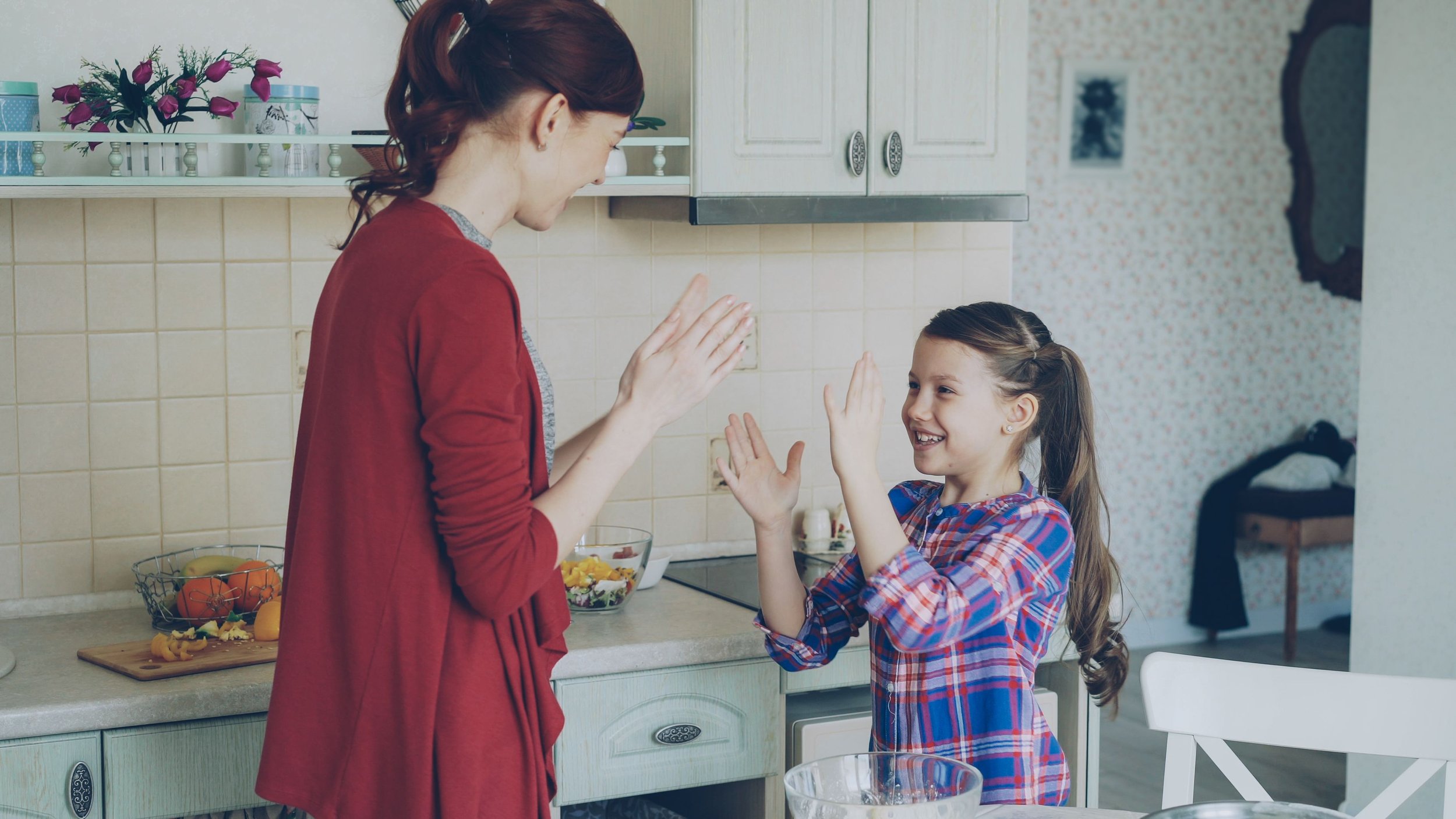
Blending a family is one of those experiences that people often underestimate.
From the outside, it can seem like love should be enough. If everyone is kind, patient, and trying their best, things should eventually fall into place... right?
But becoming a stepparent is about so much more than joining a family. You're stepping into relationships that already have years of history, routines, loyalties, and emotions. Everyone is adjusting at the same time, often in very different ways.
It's normal to wonder where you fit. It's normal to feel caught between supporting your partner, respecting the relationship your stepchildren have with their biological parents, and trying to figure out what role you're supposed to play.
If you've been searching "how to navigate conflict with my step kids," you're probably hoping for more than advice on handling disagreements. You're looking for a way to feel more confident, more connected, and more at home within your blended family.
The good news? Those relationships can grow. They just rarely happen overnight.
How to navigate conflict with my step kids without making things worse
Conflict is one of the biggest reasons blended families seek therapy, but conflict itself isn't the problem.
More often, it's a sign that everyone is trying to adjust to a new family system.
Your stepchildren may be grieving the way things used to be. They may feel torn between households or worry that accepting you somehow means betraying another parent. You, meanwhile, may be trying your hardest to build a relationship while wondering if every interaction is being judged.
When you understand that conflict often reflects the stress of change rather than someone's character, it's easier to respond with curiosity instead of frustration.
The next time tension comes up, ask yourself:
Is this about today's disagreement, or is something bigger underneath it?
What might my stepchild be feeling that they don't know how to say?
How can I respond in a way that builds trust instead of winning the argument?
You won't always get it right, and that's okay. Relationships aren't built through perfect conversations. They're built through consistent ones.
Why it feels so hard to find your place in a blended family
One of the hardest parts of becoming a stepparent is that there isn't a clear roadmap.
You may feel responsible for helping, but unsure whether you have the authority to step in.
You may love your partner deeply but feel hurt when parenting disagreements create distance between you.
You may genuinely care about your stepchildren while also wondering why building a relationship feels so much harder than you expected.
These feelings don't mean you're failing.
They mean you're adjusting to one of the most emotionally complex family roles there is.
Blended families aren't simply combining people under one roof. They're bringing together different histories, traditions, parenting styles, expectations, and experiences. Everyone has a different story about how they got here, and those stories naturally shape the way they relate to one another.
Understanding those stories, including your own, often changes the way conflict feels.
Stop trying to be the "perfect" stepparent
Many stepparents carry around an invisible scorecard.
They wonder if they're doing enough, saying the right thing, or making the "right" decisions.
When relationships feel strained, it's easy to assume you're the problem.
But here's something I often remind clients:
You don't need to become the perfect stepparent.
You need to become a consistent one.
Connection isn't built by saying the perfect thing every time.
It's built through showing up.
Listening.
Being patient.
Repairing after misunderstandings.
Allowing relationships to develop at their own pace instead of trying to force closeness before everyone is ready.
Ironically, when you stop trying so hard to make everyone like you, relationships often become more genuine.
How therapy for blended families helps you feel more confident
Therapy isn't about deciding who's right or wrong.
It's about helping everyone understand what's happening beneath the surface.
Many of the challenges blended families face aren't actually about dishes, curfews, or whose turn it is to drive to soccer practice.
They're about feeling unheard.
Feeling replaced.
Feeling excluded.
Feeling uncertain about where you belong.
When those underlying emotions are acknowledged, communication often becomes much easier.
Therapy can help you:
Feel more confident in your role as a stepparent
Strengthen communication with your partner
Set healthy boundaries without guilt
Respond to conflict with greater confidence
Understand your family's unique dynamics
Build trust gradually instead of forcing connection
Create a home where everyone feels respected
The goal isn't to create a picture perfect family.
It's to create relationships that feel safe, flexible, and authentic.
How to support your stepkids without losing your relationship with your partner
One of the most common sources of stress in blended families isn't actually the children.
It's the relationship between the adults.
You and your partner may have grown up with different parenting styles.
You may have different expectations around discipline, boundaries, routines, or responsibilities.
Those differences aren't a sign you're incompatible.
They simply need to be talked about.
Healthy blended families aren't built because couples always agree.
They're built because couples know how to navigate disagreements together.
When your relationship feels strong, it creates stability for everyone else in the family.
That's why protecting your partnership isn't selfish.
It's one of the greatest investments you can make in your family.
Will I ever feel like I belong?
This is the question many stepparents quietly carry.
And the answer is yes, though it may happen differently than you imagined.
Belonging doesn't usually arrive all at once.
It grows through ordinary moments.
A conversation that feels a little easier than the last one.
A joke that lands.
A tradition that starts to feel like yours, too.
A child who begins asking for your help without thinking twice.
Families aren't built in grand gestures.
They're built in thousands of small moments that slowly become trust.
If you're feeling discouraged, remember that belonging isn't something you earn by being perfect.
It's something that develops over time through consistency, patience, and genuine connection.
You don't have to figure this out on your own
Being a stepparent can be incredibly rewarding, but it can also feel isolating. Because blended families are so unique, it can be hard to find advice that actually fits your situation.
Therapy offers a space to slow down, understand what's contributing to the conflict, and build healthier ways of communicating and connecting as a family.
If you'd like to learn more about how couples and family dynamics are supported in my practice, you can explore my services here.
If you have questions or would like to see whether we're a good fit, you can also reach out through my contact page.

Jenna Ramirez-Kirgan, LMFT is a Licensed Marriage and Family Therapist with four years of experience supporting adults throughout California. She specializes in helping clients navigate anxiety, self-esteem challenges, perinatal and postpartum mental health, relationship concerns, and the unique dynamics of blended families. Jenna's approach integrates psychodynamic therapy, CBT, Satir communication techniques, and solution-focused therapy to help clients gain deeper insight, break free from unhelpful patterns, and create meaningful, lasting change. Jenna Ramirez-Kirgan, LMFT is committed to providing quality collaborative care for clients across California.
