
Why Don’t I Feel Like Myself After Having a Baby? Postpartum Identity and Support in Sacramento
Educational disclaimer: This article is for educational and informational purposes only and is not intended to replace therapy, diagnosis, or individualized mental health care. If you're concerned about your mental health postpartum, consider speaking with a qualified mental health professional.
Having a baby can bring an incredible amount of love into your life. It can also turn your routines, relationships, priorities, and sense of identity completely upside down.
Maybe you've found yourself thinking, “I don't feel like myself after having a baby.”
You love your baby, but you miss having time to yourself. You miss your old routines. You miss your independence. Maybe you even miss the version of yourself who could walk out the door without packing enough supplies to survive a three-day expedition.
And then you feel guilty for missing your old life.
If this sounds familiar, you're not alone. Feeling disconnected from yourself after having a baby can be a very real part of adjusting to motherhood.
Why Don’t I Feel Like Myself After Having a Baby?
Becoming a mother changes much more than your schedule.
Your sleep changes. Your body changes. Your relationships change. Your responsibilities change. Even the way you think about yourself and your future can change.
Before having a baby, you may have had a strong sense of who you were outside of being a parent. You had hobbies, friendships, work, goals, routines, and time that belonged primarily to you.
After having a baby, so much of your attention naturally shifts toward someone else's needs.
Feed the baby.
Change the baby.
Schedule the appointment.
Wash the bottles.
Remember the diapers.
Figure out what's for dinner.
Try to sleep.
Repeat.
When so much of your energy is going toward caring for someone else, it can become difficult to make room for yourself.
You may start wondering, “Who am I now?”
Losing Yourself in Motherhood Can Happen Even When You Love Being a Mom
One of the hardest things about feeling unlike yourself postpartum is the guilt that can come with it.
You may think:
“I wanted this. Why am I struggling?”
“I should be happier.”
“I love my baby, so why do I miss my old life?”
Here's the important part: loving your baby and missing your old life can both be true.
You can feel grateful to be a mom while missing your independence.
You can love your family while wishing you had more time alone.
You can enjoy motherhood while also finding parts of it exhausting, boring, frustrating, or overwhelming.
These feelings don't make you a bad mom. They make you a person adjusting to a major life change.
Why Do I Miss My Old Life After Having a Baby?
You may not actually miss your entire old life. You may miss specific pieces of it.
Maybe you miss:
Having uninterrupted time alone
Seeing friends whenever you want
Exercising regularly
Focusing on your career
Traveling
Going on spontaneous outings
Having quiet mornings
Feeling comfortable in your body
Spending relaxed time with your partner
Having hobbies that aren't related to parenting
Those things may have given you a sense of independence, confidence, connection, or enjoyment.
Missing them doesn't mean you regret becoming a mother.
It may simply mean that those parts of you still matter.
Postpartum Identity: Who Am I Now?
A major part of the transition into motherhood is figuring out how your identity changes.
You don't necessarily need to become the exact person you were before having a baby. But you also don't have to completely abandon who you were.
Instead of asking, “How do I get the old me back?”, try asking:
“How can I make room for myself in my life as a mom?”
Maybe that means reconnecting with a friend.
Maybe it's returning to exercise.
Maybe you start a hobby again.
Maybe you make time for your career or education.
Maybe you simply start taking 30 minutes for yourself without feeling like you need to justify it.
Small pieces of your identity can make a surprisingly big difference.
Feeling Overwhelmed Can Make You Feel Even Less Like Yourself
Sometimes what feels like “losing yourself” is partly the result of being completely overwhelmed.
Motherhood comes with a tremendous amount of invisible work. You may be responsible not only for completing tasks but for remembering, planning, anticipating, and organizing everything that needs to happen.
This mental load can leave you feeling constantly “on.”
And when you're exhausted and overwhelmed, it's much harder to feel connected to yourself.
You may become more irritable with your partner.
You may feel touched out.
You may have less patience.
You may stop doing things you enjoy.
You may feel like everyone needs something from you.
That doesn't necessarily mean you've become a different person.
It may mean you've been carrying too much for too long.
Could Not Feeling Like Myself Be Postpartum Anxiety or Depression?
Sometimes feeling different after having a baby is part of the adjustment to motherhood. Other times, it may be connected to a postpartum mental health concern.
Postpartum depression can involve persistent sadness, loss of interest or pleasure, hopelessness, guilt, emotional numbness, irritability, or difficulty feeling connected to your baby or your life.
Postpartum anxiety may involve excessive worry, racing thoughts, feeling constantly on edge, or persistent fears about your baby or your ability to care for them.
Postpartum OCD can involve unwanted intrusive thoughts, images, fears, and compulsive behaviors or mental rituals.
These experiences can overlap, and you don't have to diagnose yourself before seeking help.
If you're feeling unlike yourself and it's interfering with your ability to function, connect with others, sleep, enjoy your life, or care for yourself, it may be worth talking with a mental health professional.
How Can I Feel Like Myself Again After Having a Baby?
You don't have to completely reinvent your life.
Start by asking yourself what you miss.
What made me feel like me before becoming a mom?
Maybe it was your friendships. Your creativity. Your career. Your sense of humor. Movement. Getting dressed up. Going out. Having quiet time.
Then ask:
“What's one small piece of that I could bring back into my life?”
It might be meeting a friend for coffee. Taking a Pilates class. Going for a walk alone. Reading a book. Working toward a personal goal. Having uninterrupted time with your partner.
And importantly, let someone help you create the space to do it.
You don't have to wait until every chore is finished before you're allowed to take care of yourself.
When Should I Consider Postpartum Therapy?
You don't have to be in crisis to benefit from therapy.
Postpartum therapy may be helpful if you're struggling with:
Feeling like you've lost your identity
Postpartum anxiety or depression
Intrusive thoughts
Mom guilt
Anger or resentment
Feeling overwhelmed
Loneliness or isolation
Changes in your relationship
Difficulty adjusting to motherhood
Feeling disconnected from yourself
Therapy can give you space to talk honestly about what motherhood has been like for you without having to pretend that everything is wonderful.
If you're interested in learning more about support for the emotional transition into motherhood, you can explore postpartum therapy and mental health support and see whether therapy may be a good fit.
Postpartum Therapy in Sacramento, California
If you're a new mom in Sacramento, California, or elsewhere in California, you don't have to figure out this transition alone.
Feeling like yourself again doesn't necessarily mean going back to exactly who you were before your baby.
It may mean creating a new version of your life where being a mom is an important part of who you are, but not the only part.
You are still allowed to have needs.
You're still allowed to have interests.
You're still allowed to want time for yourself.
And you're still allowed to be a whole person outside of motherhood.
Ready to Get Support?
If you're struggling with feeling unlike yourself after having a baby and would like support navigating postpartum anxiety, identity changes, relationships, or the adjustment to motherhood, reach out to learn more about therapy.
You don't have to figure everything out before you ask for help. Sometimes the first step is simply saying, “I don't feel like myself anymore, and I need some support.”
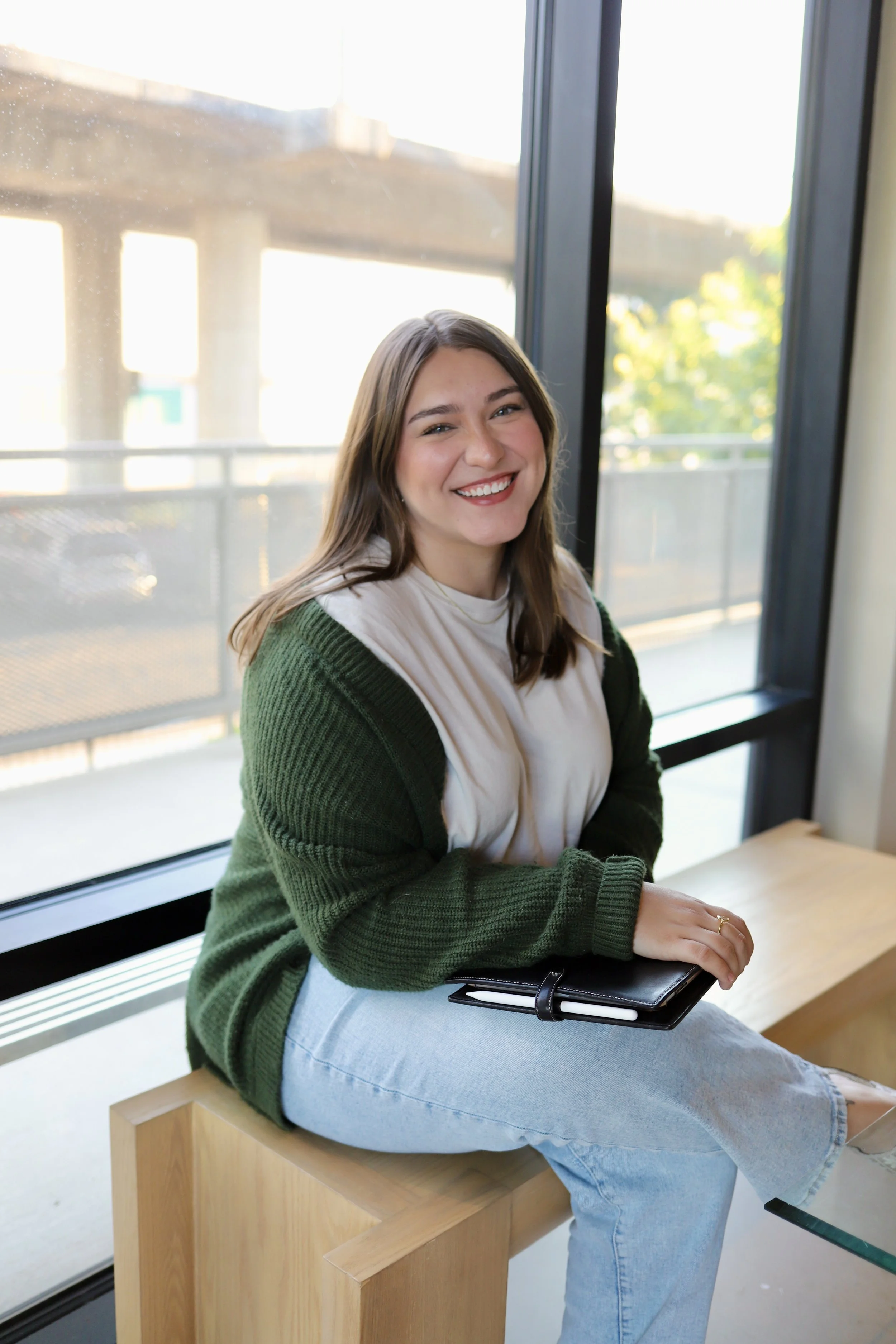
Jenna Ramirez-Kirgan, LMFT is a Licensed Marriage and Family Therapist with four years of experience supporting adults throughout California. She specializes in helping clients navigate anxiety, self-esteem challenges, perinatal and postpartum mental health, relationship concerns, and the unique dynamics of blended families. Jenna's approach integrates psychodynamic therapy, CBT, Satir communication techniques, and solution-focused therapy to help clients gain deeper insight, break free from unhelpful patterns, and create meaningful, lasting change. Jenna Ramirez-Kirgan, LMFT is committed to providing quality collaborative care for clients across California.
